加载游戏信息...


游戏简介
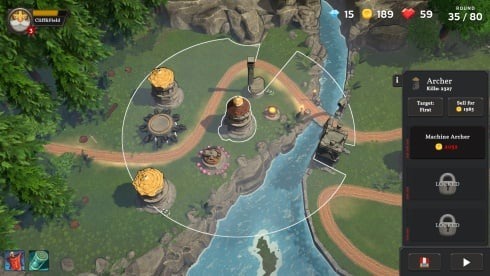
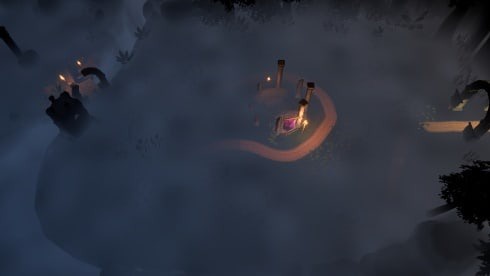
在《悬崖与田野塔防》中,玩家可以创建自己的王国,但随后需要从四面八方保卫它。被称为敌人的不受欢迎的访客将试图占领这片土地,因此玩家需要与之对抗。为了避免失败,玩家必须构思战略,并在充满子弹和大量不同战斗的这种氛围旅程中保卫自己的家园。踏上提林土地的动态之旅,以保护自己的新王国免受无尽可怕生物的浪潮。在漫长的旅途中,玩家可能会注意到小镇之外的隐藏传送门。进入传送门后,玩家将进入另一个维度,成为如同神明般的领袖。他注定要为全人类带来和平。在《悬崖与田野塔防》中,主角将拥有装备强大装置和武器(这些武器需要不断升级)的塔楼。宇宙中隐藏着许多关于建造塔楼的未解之谜。玩家可以升级6座塔楼,并对每座建筑应用15种不同类别的升级。由于现代化改造,玩家可以获得数千种新的战略构建可能性,并应用于对抗敌对敌人。暴击攻击的几率虽然不高,但并非为零,因此总是需要保持警惕,并等待敌人发起进攻的时机。
游戏预告
游戏截图
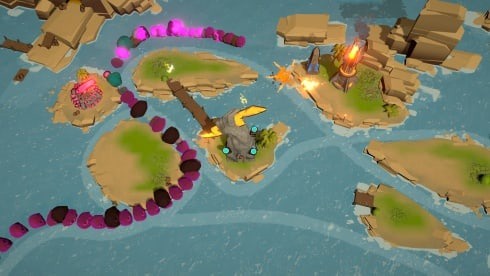
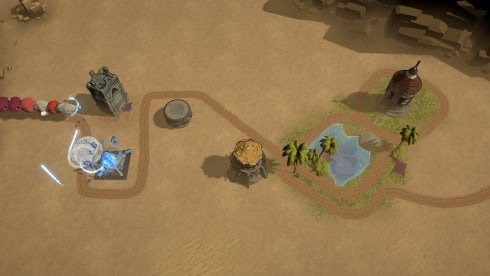
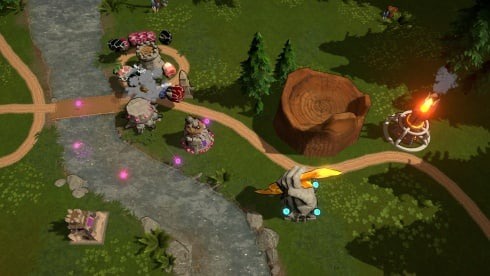
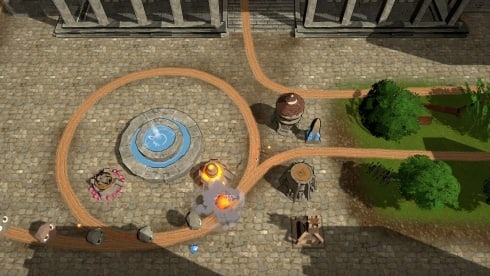
游戏评测
68
站长评分/ 100
总结
“《悬崖与田野塔防》 is a perfectly functional but ultimately forgettable entry in the crowded tower defense genre. It succeeds in providing a low-spec, accessible base with a superficially deep upgrade system, but it fails to leverage its most interesting idea—the dimensional portal—into a compelling, differentiated experience. The presentation is lackluster, the narrative is an afterthought, and the ‘thousands of strategies’ are likely an illusion born of minor stat tweaks. The 65% positive Steam rating is a accurate reflection: a game that is competent enough to not be terrible, but not compelling enough to be recommended without reservations. It might satisfy a desperate craving for a new tower defense on an old machine, but it will not satisfy anyone looking for innovation, depth, or polish. Kami Ventures AB’s ambition outstrips their execution, resulting in a title that is merely good enough to exist, but not good enough to excel.”
优点
- 1. **Accessible & Low Barrier to Entry**: The incredibly modest system specs mean the game will run on almost any PC, including older laptops and budget systems. 2. **Substantial Upgrade Tree**: While not all branches are equally meaningful, the 90 upgrade paths provide a tangible sense of progression and allow for some build experimentation across the 6 tower types. 3. **Novel Portal Hook**: The dimension-hopping concept, even if underdeveloped, adds a narrative and gameplay change of scenery that breaks up the monotony of defending a single lane. 4. **Clear Strategic Core**: The fundamental loop of positioning and upgrading is solid and understandable, offering a low-friction entry point for tower defense newcomers.
缺点
- 1. **Narrative-Gameplay Disconnect**: The lofty story of a ‘messianic leader’ and ‘hidden mysteries’ feels tacked onto a standard tower defense skeleton, with little integration. It’s telling, not showing. 2. **Visual & Audio Datedness**: The graphics and sound are generic and lack the personality or polish expected even in the indie space today, making the experience feel immediately dated. 3. **Potential Repetition**: With limited enemy variety and likely similar wave compositions, the game can become a grind, especially in later stages where upgrades are maxed. The ‘thousands of builds’ claim is probably misleading. 4. **Shallow Dimension Mechanic**: The portal feature risks being a one-off gimmick rather than a meaningful strategic layer. 5. **Mixed User Reception**: Steam’s ‘Mostly Negative’ or ‘Mixed’ tag (inferred from 65% positive) suggests technical issues, lack of content, or failed ambition that frustrates players.
系统需求
最低配置
操作系统
Windows 10 (64-bit)
处理器
1.5Ghz or better (x86-64)
内存
4096 MB RAM
显卡
OpenGL 2.0 compatible, ATI, Nvidia or Intel HD
存储空间
需要 1300 MB 可用空间
推荐配置
操作系统
Windows 10 (64-bit)
处理器
2Ghz or better (x86-64)
内存
8192 MB RAM
显卡
OpenGL 2.0 compatible, ATI, Nvidia or Intel HD
存储空间
需要 1500 MB 可用空间