加载游戏信息...

游戏简介
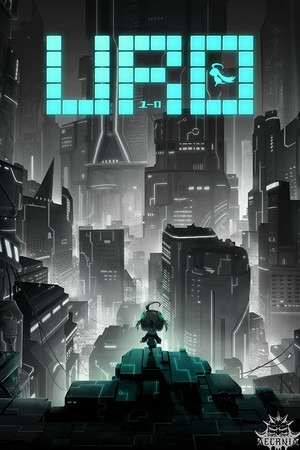
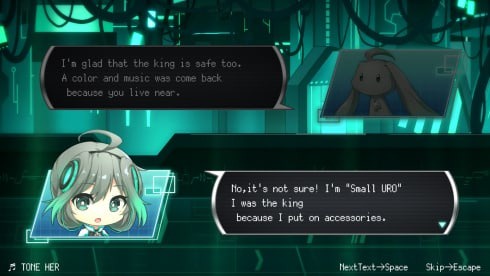
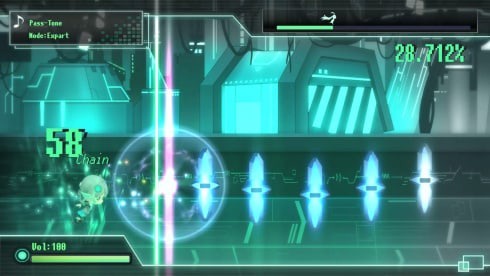
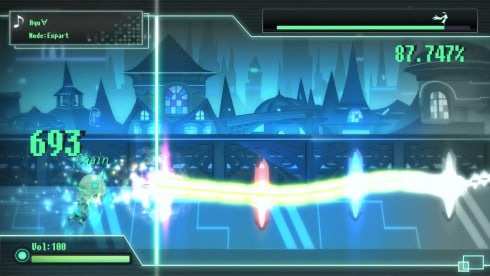
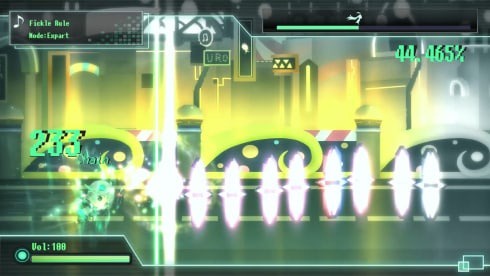
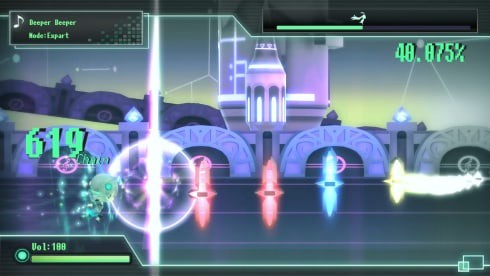
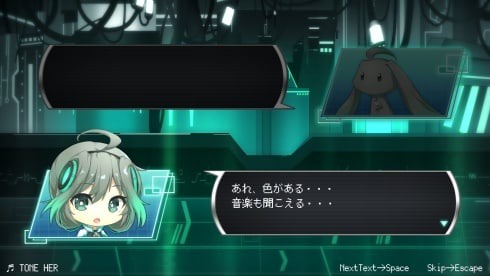
URO 讲述了一个故事,在这个世界里,音乐完全消失,所有的鲜艳色彩也蒸发了。有一天,一种以其名字作为游戏名称的生物找到了一副魔法耳机。戴上耳机后,这个生物变成了一个动漫风格的女孩。她需要找回所有消失的色彩和声音。故事的发展通过过场动画进行。由于这个独立项目是在日本制作的,理解剧情细节和世界观可能会有困难。对于其他语言的用户,开发者只是使用了机器翻译,导致文本中许多句子的意思被扭曲。 从技术上讲,这是一款节奏游戏,同时也是一款跑酷游戏。当女主角从左向右奔跑时,玩家需要及时按下必要的按钮。在URO中,时机非常重要,因为只有精确的按键才会被记录。音乐有助于跟上节奏。这里总共有33首亚洲艺术家的电子音乐。 这个产品有一个有趣的色彩机制。开发者没有让玩家单独按下对应特定颜色的按钮,而是设计了一套组合按钮的系统。例如,要获得紫色,需要同时按下“红色”和“蓝色”键。整个游戏玩法都是围绕这个机制构建的。
游戏预告
游戏截图
游戏评测
78
站长评分/ 100
站长推荐
强烈推荐给寻求核心机制创新的节奏游戏玩家与游戏设计研究者,其独特的色彩组合系统提供了无与伦比的认知挑战。但因灾难性的本地化翻译、陡峭的难度曲线与有限的内容量,必须带着‘为体验机制而非叙事’的明确预期进行尝试,普通玩家需谨慎。
总结
“URO is a fascinating case study in brilliant idea, flawed execution. It is a game you should absolutely try, but with critical caveats. Its innovative color-combination system is a masterclass in inventive game design, offering a challenge unlike any other. However, this brilliance is trapped within a package marred by a story-breaking localization, a punishing difficulty curve, and a visually basic presentation. It is not a 'must-play' for the average gamer, but it is a mandatory experience for students of game design and rhythm-game aficionados seeking something utterly alien. Think of it as a brilliant, frustrating, and beautiful artifact—worth experiencing to understand its ambition, but not necessarily worth enduring to its conclusion. Its score reflects a game that is good in spite of itself, not because of its totality.”
优点
- URO's primary strength is its fearless design core. The color-mixing mechanic is an genuinely original twist on the rhythm/runner genre, offering a puzzle-like depth that few peers attempt. The selected soundtrack is consistently excellent, providing a driving, diverse electronic backdrop that genuinely enhances the timing-based gameplay. For players who persevere, achieving a state of 'flow' where color combinations become second nature is a uniquely rewarding cognitive and motor skill triumph. Furthermore, its short length (roughly an hour for a completionist run) and low system requirements make it an accessible curiosity for those with capable hardware.
缺点
- The cons are substantial and, for many, will be disqualifying. The machine-translated narrative is not just bad—it is actively damaging to the experience, rendering any story engagement impossible and making the world feel hollow. The difficulty curve is poorly managed, creating a frustrating 'wall' rather than a satisfying progression. The game’s minimalist aesthetic, while thematically appropriate, also highlights a lack of content variety and polish. Furthermore, the core mechanic, though clever, can feel more like a choreographed test of memory than a dynamic musical experience, stripping away the joy of improvisation that defines great rhythm games. The combination of impenetrable story and punishing, unforgiving gameplay creates a niche so narrow it’s almost a vertical slit.
系统需求
最低配置
操作系统
Windows Vista/7/8/10
处理器
Intel Core i5-3230M or better
内存
4 GB RAM
显卡
NVIDIA GeForce GT 720M or better
存储空间
1 GB 可用空间
推荐配置
操作系统
Windows 10
处理器
Intel Core i5-4460
内存
16 GB RAM
显卡
NVIDIA GeForce GTX 750 Ti
存储空间
4 GB 可用空间